Overheated
Women, Work, and the Relentless Heat of India's Informal Economy

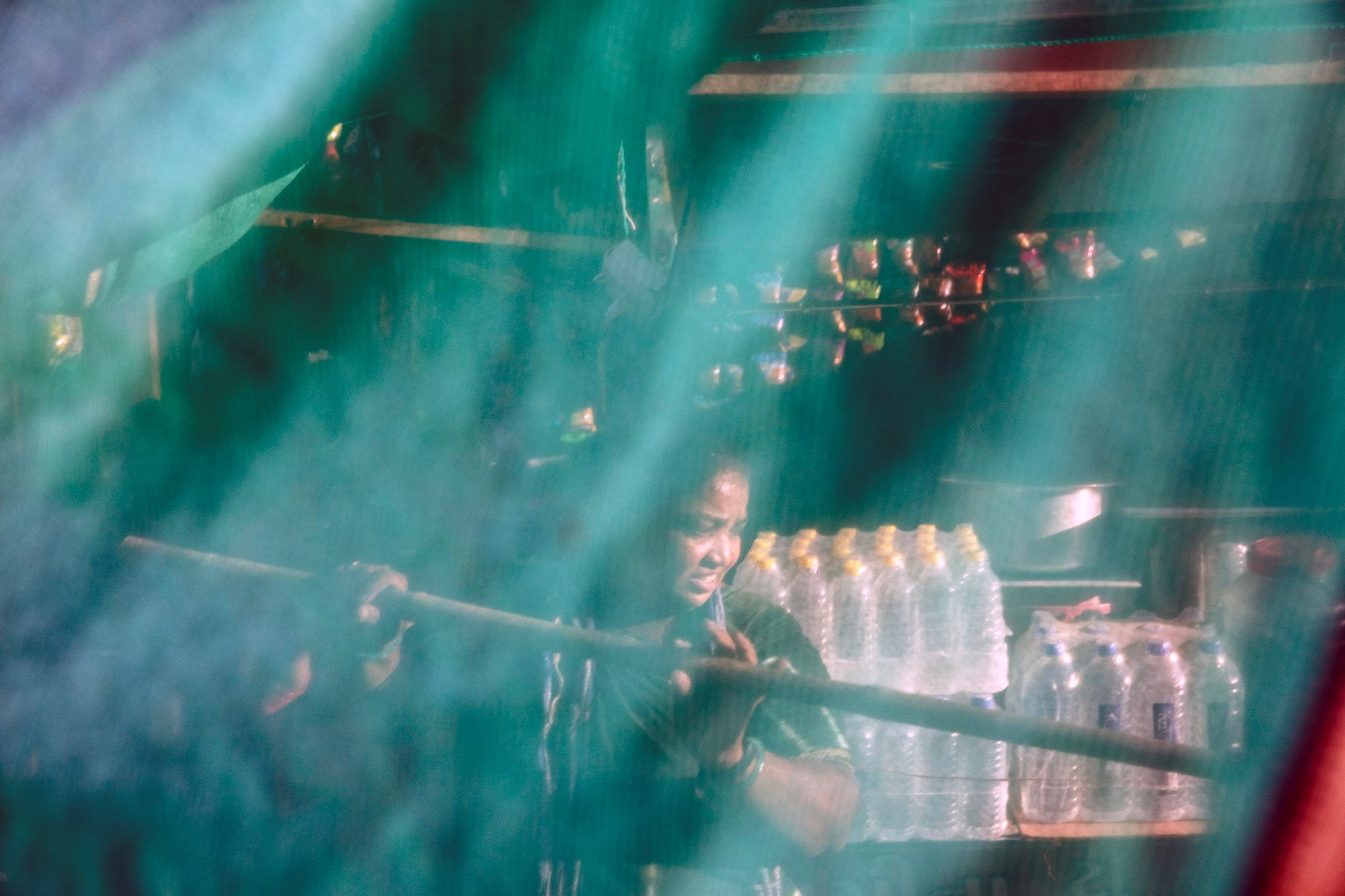
The temperatures did not disappoint. In two weeks of fieldwork in the Indian state of Gujarat this past May, Julie Winokur and I experienced heat as high as 120 degrees Fahrenheit, with the real-feel index sometimes pushing beyond that.
Over the past four years, I’ve been documenting the impact of extreme heat on workers around the world, from Central America to the Middle East to Europe, and Julie has been partnering in building out this long-term project. Except for similar conditions I encountered in Qatar in 2022, working on a Time magazine piece with filmmaker Tom Laffay, nothing we’d experienced together quite prepared us for what we found in Gujarat. It was, frankly, hard to endure, let alone work in.
Yet the women we came to document endure it every single day.
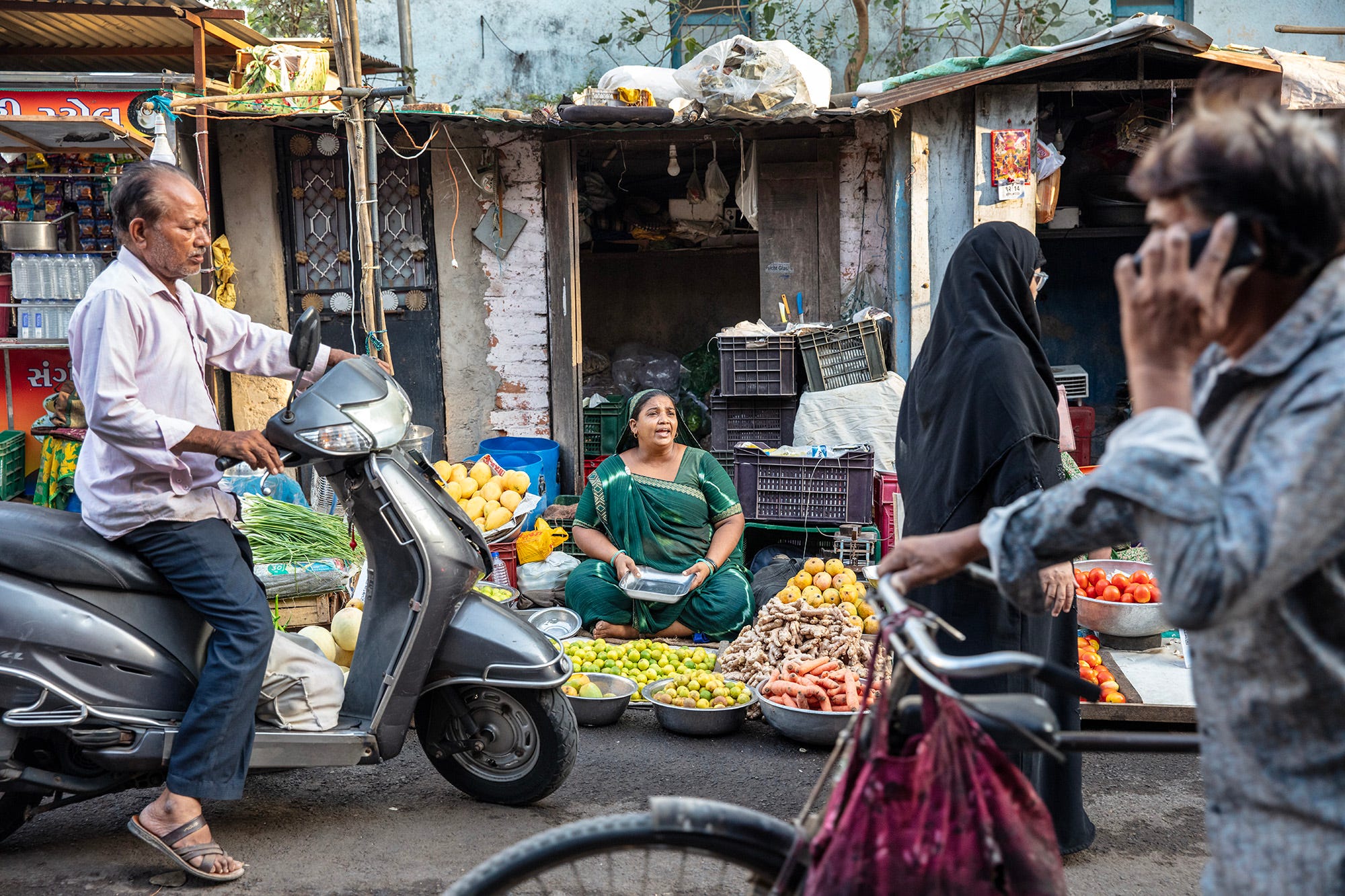
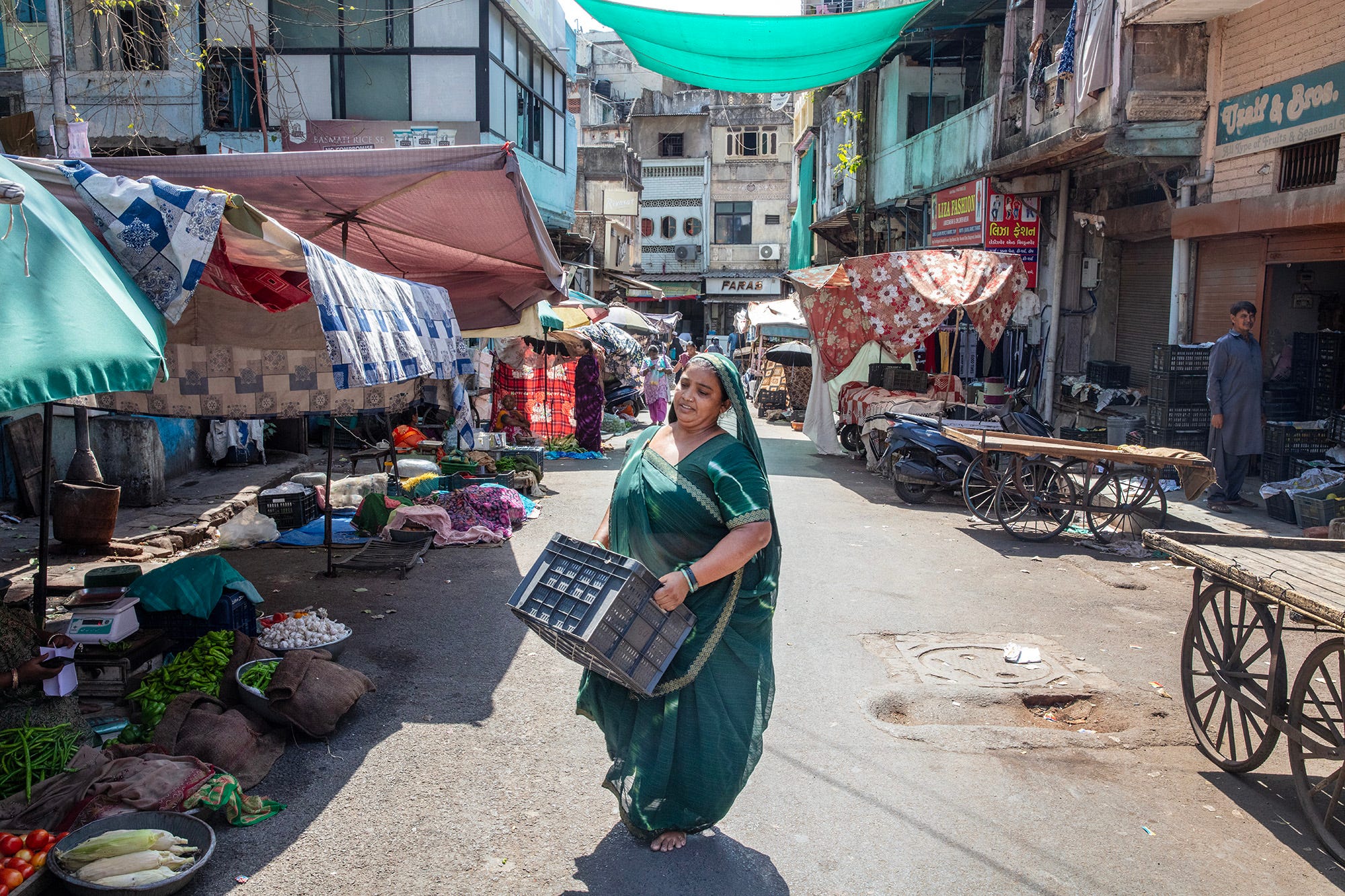
A few years ago, while working on a heat story in Miami, I tried to gain access to tour boats to show the impact of rising temperatures on the tourism industry. A boat operator dismissed the entire premise. “It’s not hotter,” he told me. “People are just softer.” As insensitive as that sounds, there’s something important buried in his dismissal.
The human body is a remarkable machine. It can adapt to an extraordinary range of conditions, and in India, the roughly ninety million workers who make up the informal sector have, over generations, learned to do exactly that. From bangle makers toiling near scorching machinery in factories where indoor temperatures exceed 100 degrees, to agricultural workers, street vendors, and home-based seamstresses, these women have adapted. But adaptation has its limits. As the earth’s temperatures continue to rise, the conditions these workers face are producing health consequences that researchers across disciplines are only beginning to understand.
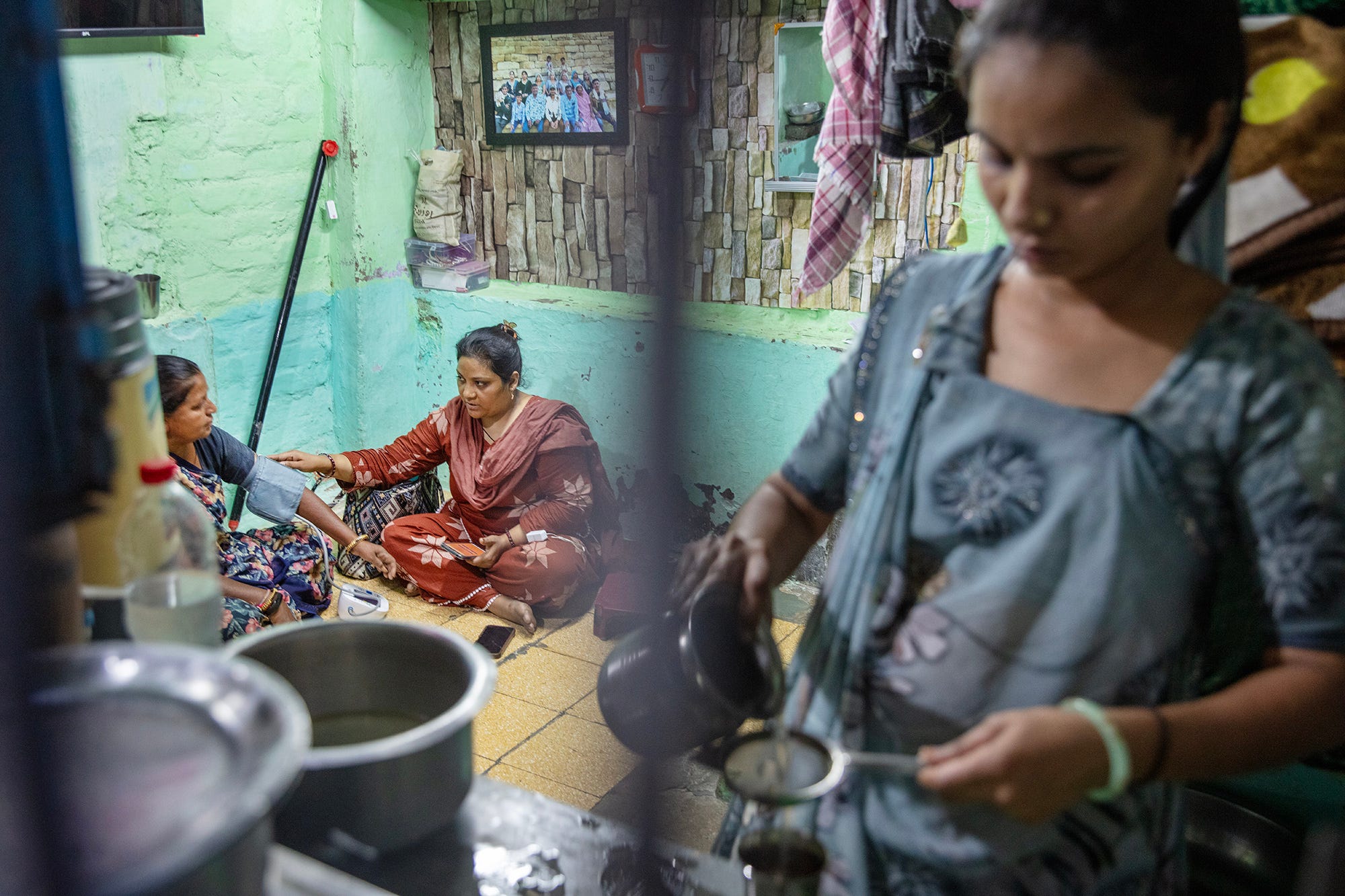
Julie and I have been trying to tell this story in India for more than two years. Getting access, finding the right partners, and building the trust necessary to document lives this intimate took time. When we finally arrived this past May, we came with a clear purpose: to bear witness, and to make the invisible visible. That is, at its core, what visual storytelling can do that numbers alone cannot.
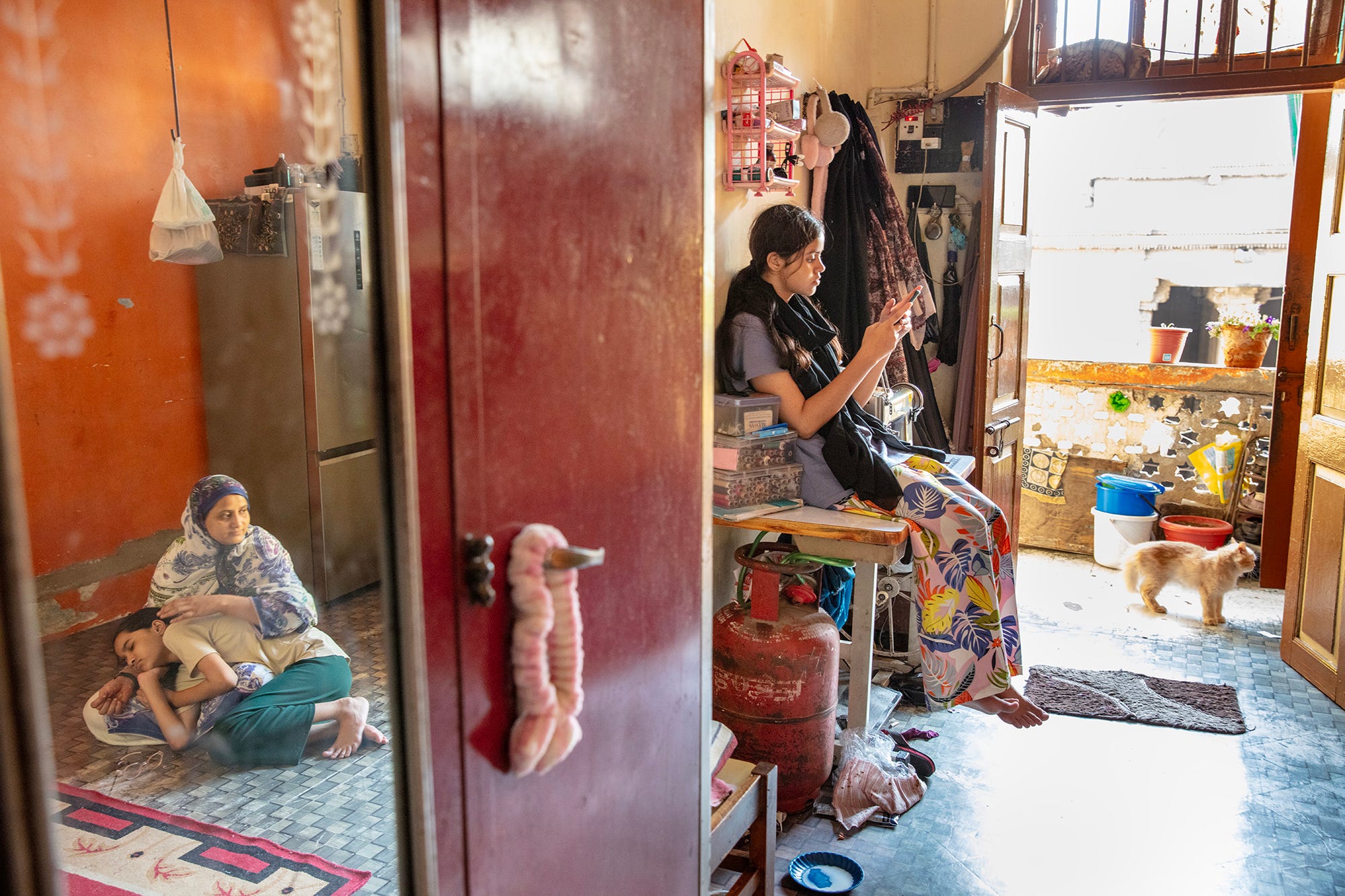
Data can tell us that Delhi experienced over 40 days above 100 degrees last year. Data can tell us that indoor temperatures in informal workplaces regularly run up to 18 degrees hotter than outdoor readings. But data cannot show us the face of a woman fanning herself between stitches at a sewing machine, sweat darkening the fabric she’s been hired to make beautiful. It cannot convey the way heat accumulates in the body over twelve hours of labor with no air conditioning, no break, no recourse. These are the stories that move people from passive awareness to genuine understanding, and genuine understanding is what climate action ultimately requires.
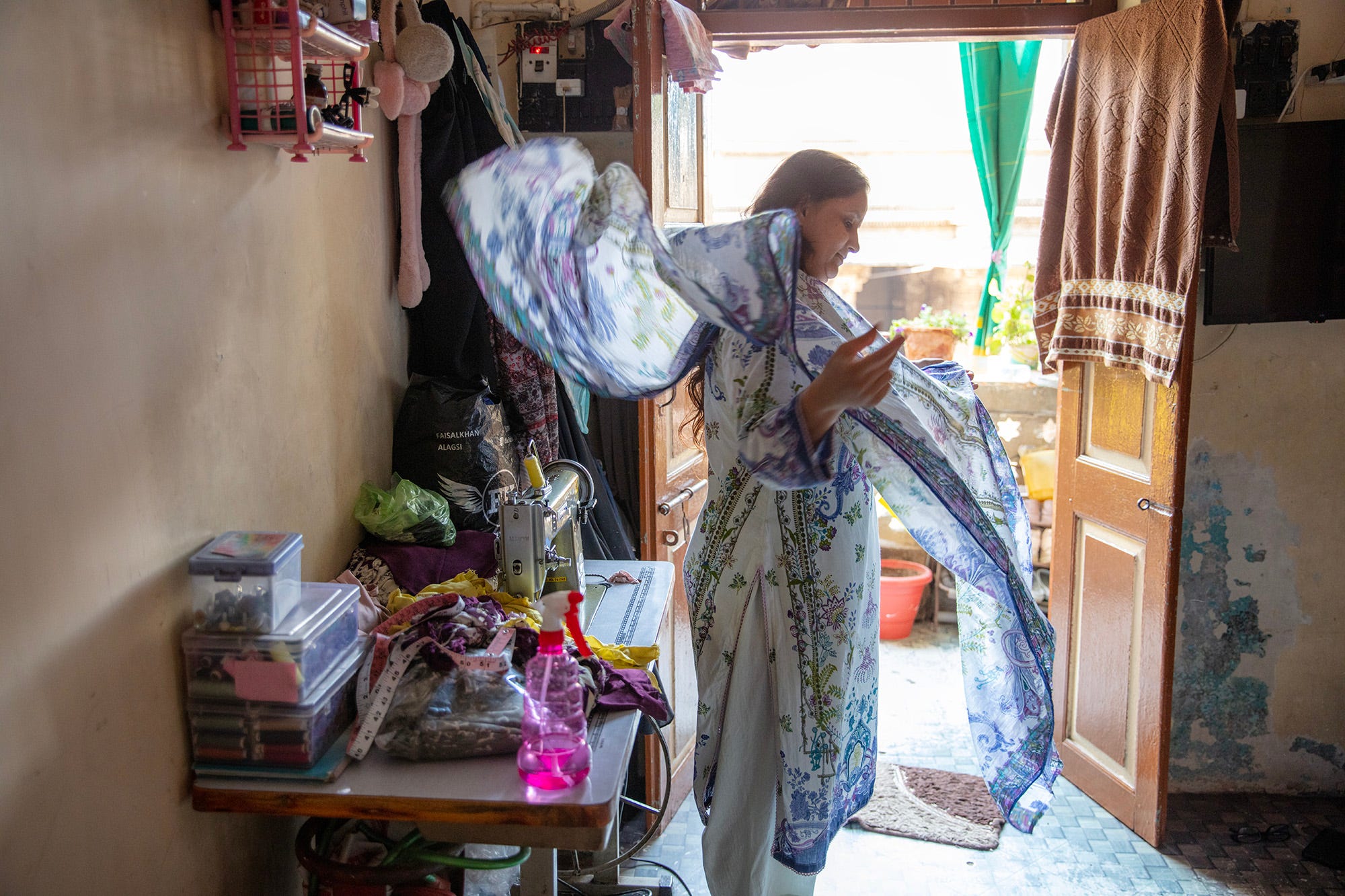
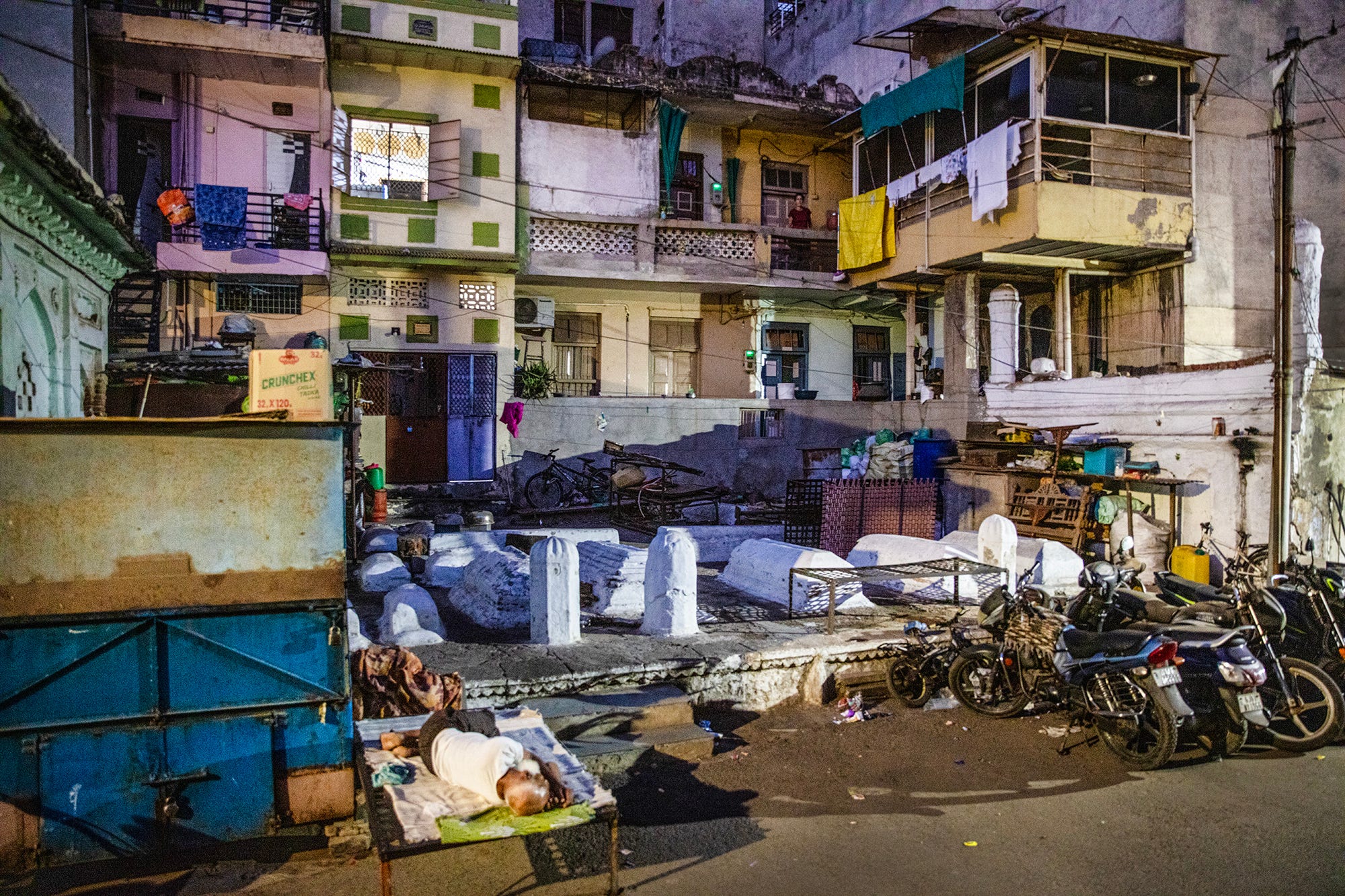
Our project, Overheated, focuses specifically on female workers in India’s vast informal economy. The gendered dimension of heat stress is underreported and underappreciated. Women in this sector often face the double burden of wage labor and domestic responsibilities, with little control over their working environments and even less access to healthcare when heat takes its toll. They are among the most exposed and least protected people on the planet when it comes to the consequences of rising temperatures.
To tell their stories responsibly, Julie and I worked with one of the largest national trade unions for women in India’s informal economy. They gave us something invaluable: trust, access, and context. We were able to spend real time with three women; a street vendor who sits for hours on sun-scorched asphalt, a home-based seamstress working in a room that traps heat like an oven, and a small farmer navigating fieldwork under an unrelenting sun.
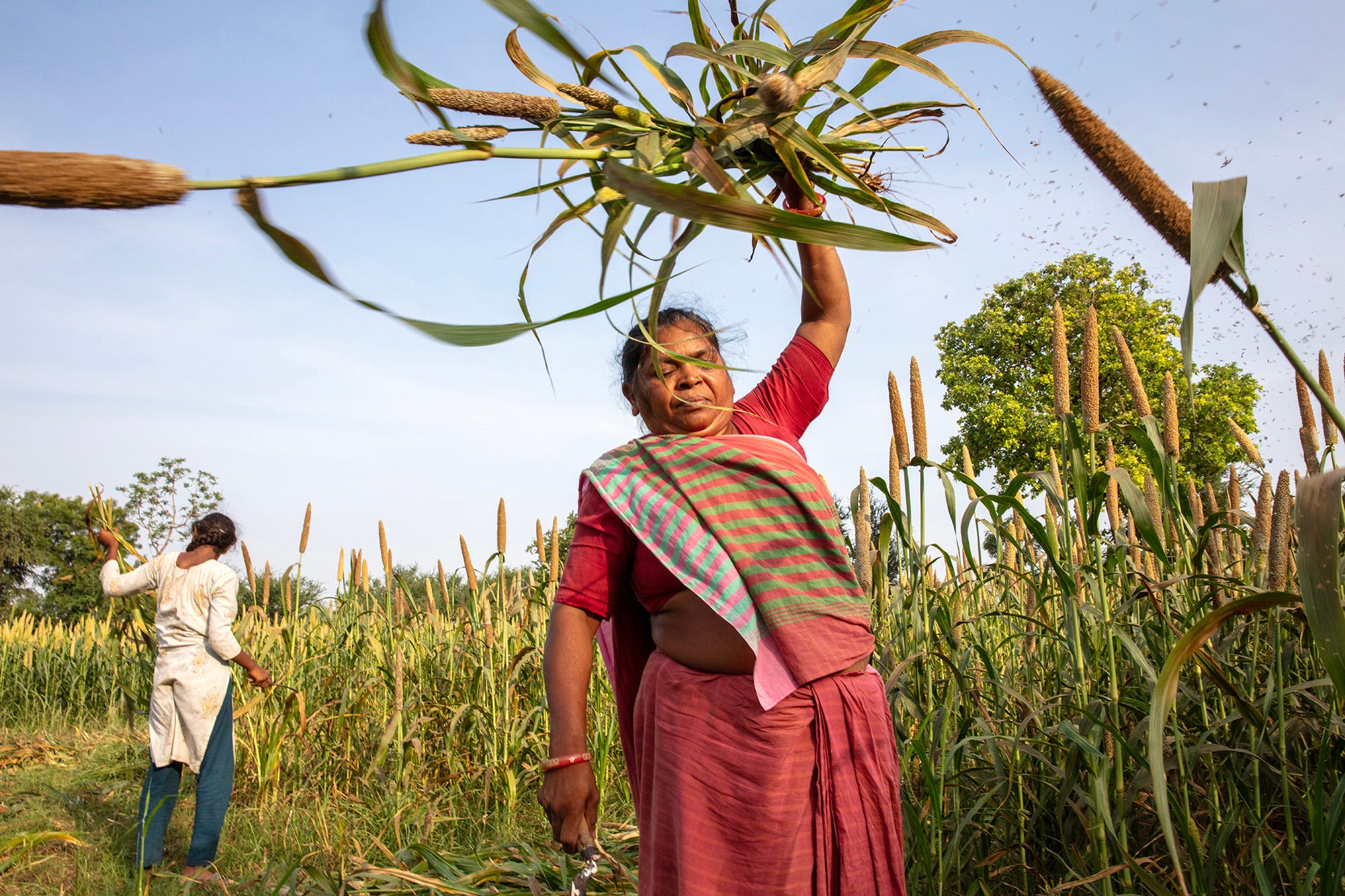
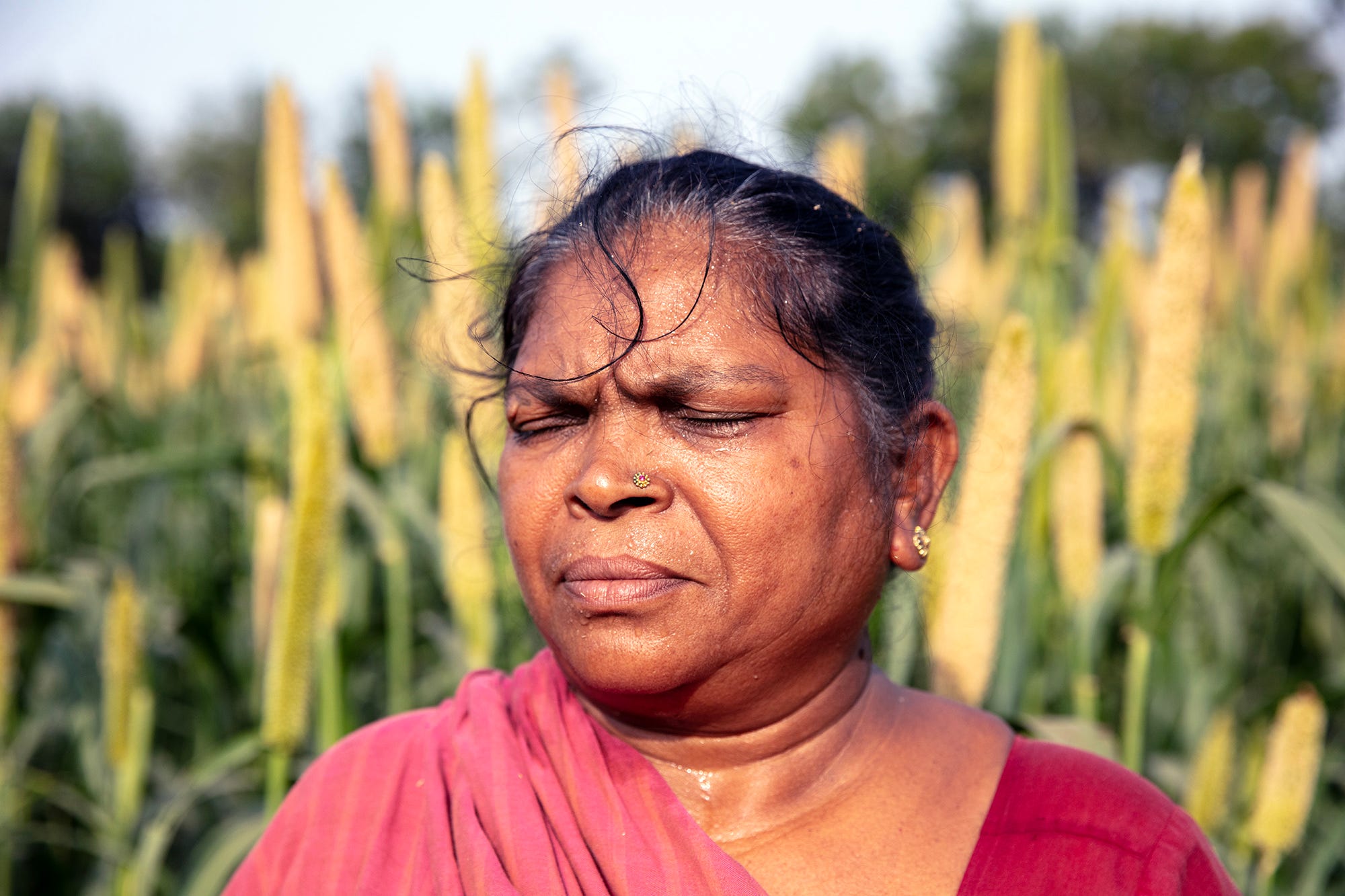
Our goal is to bring these two streams together: the rigorous science and the deeply human story. For the multimedia piece Julie and I are producing, we will weave data visualizations from the Harvard CommHATS research directly into the narrative, so that viewers can understand not just what they’re seeing in a woman’s exhausted expression, but what her body is actually experiencing at that precise moment in the day. We believe this combination, intimate visual storytelling paired with real-time environmental data, can do something that neither journalism nor science can fully accomplish alone.
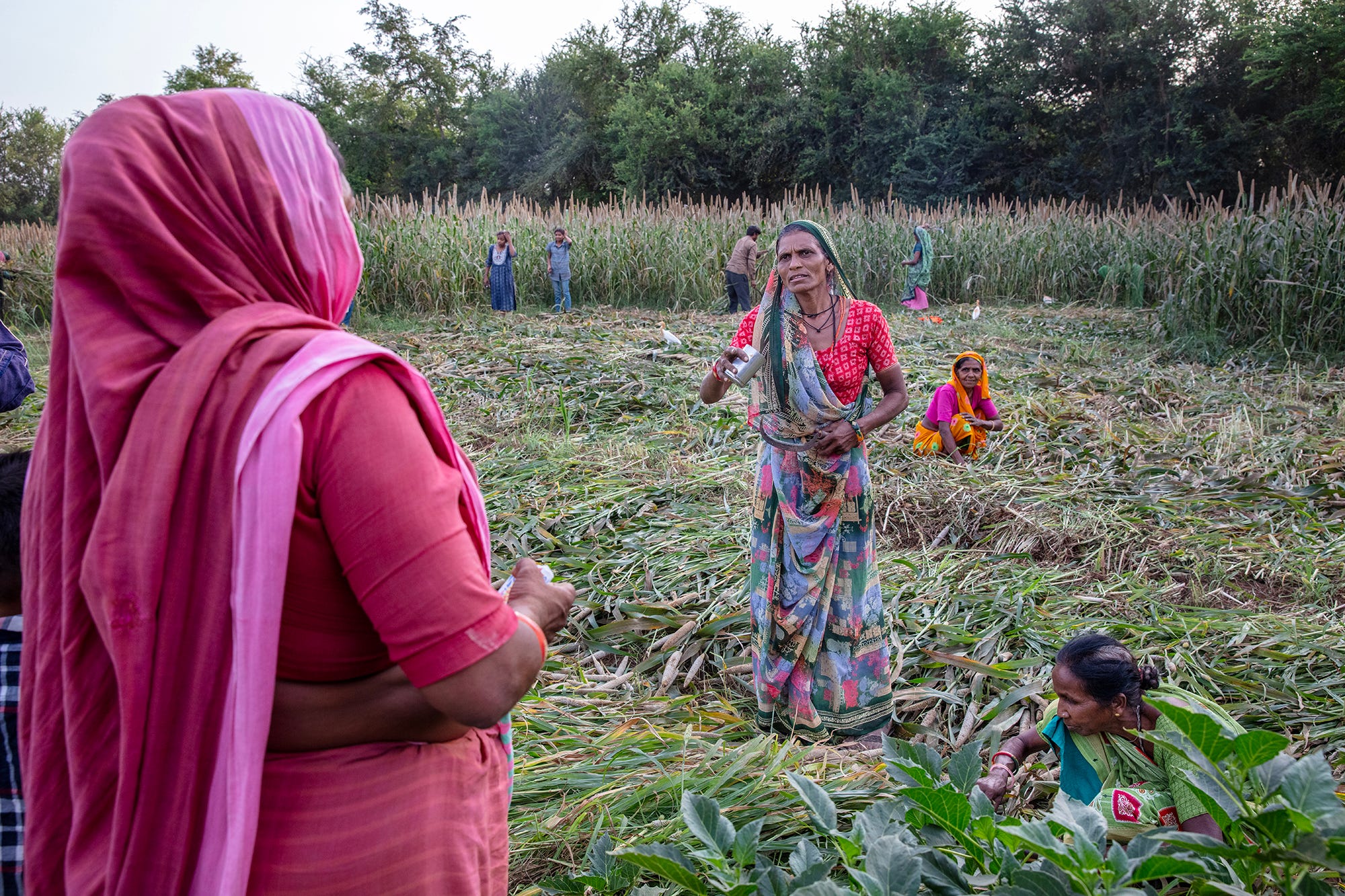
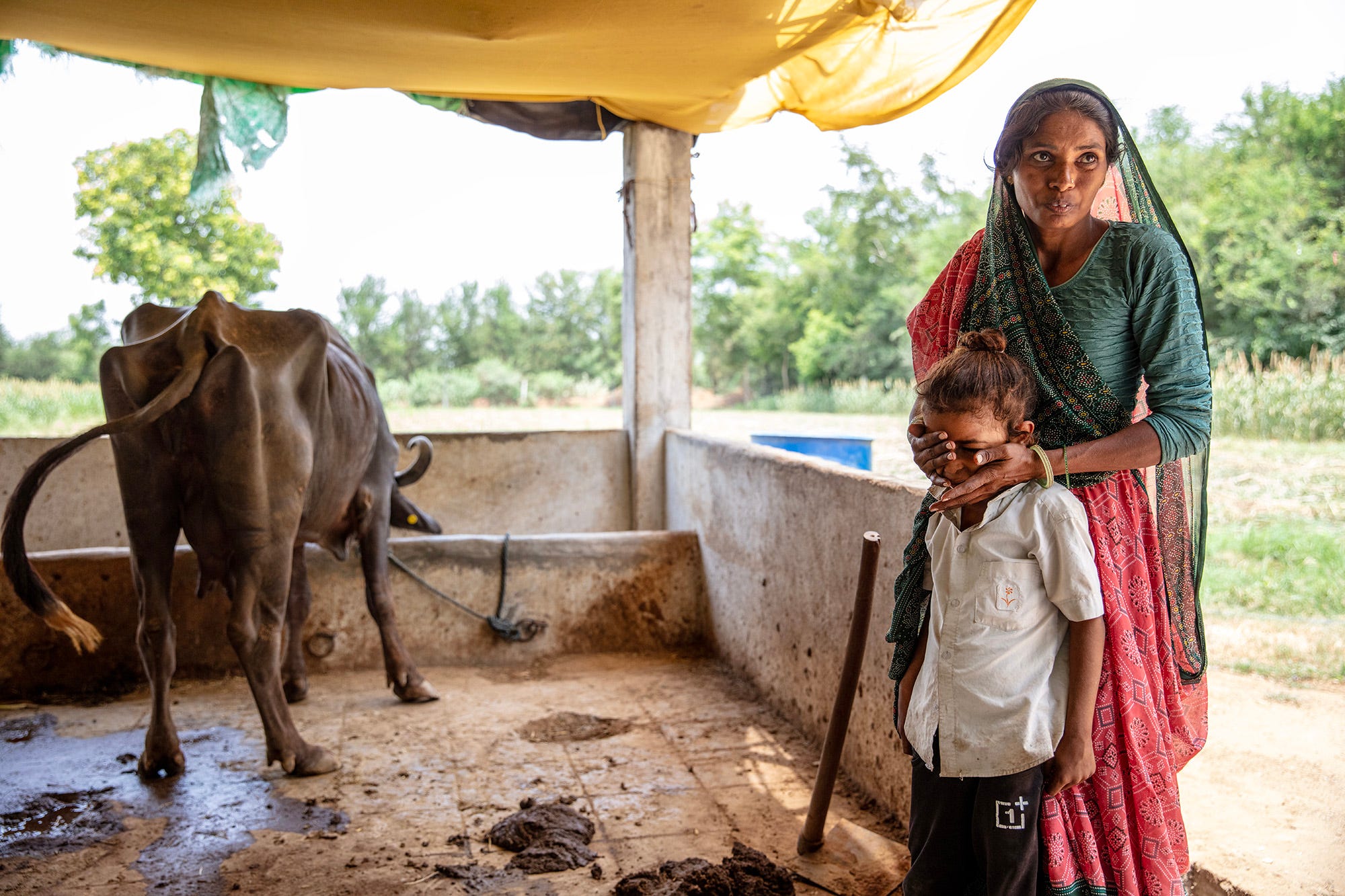
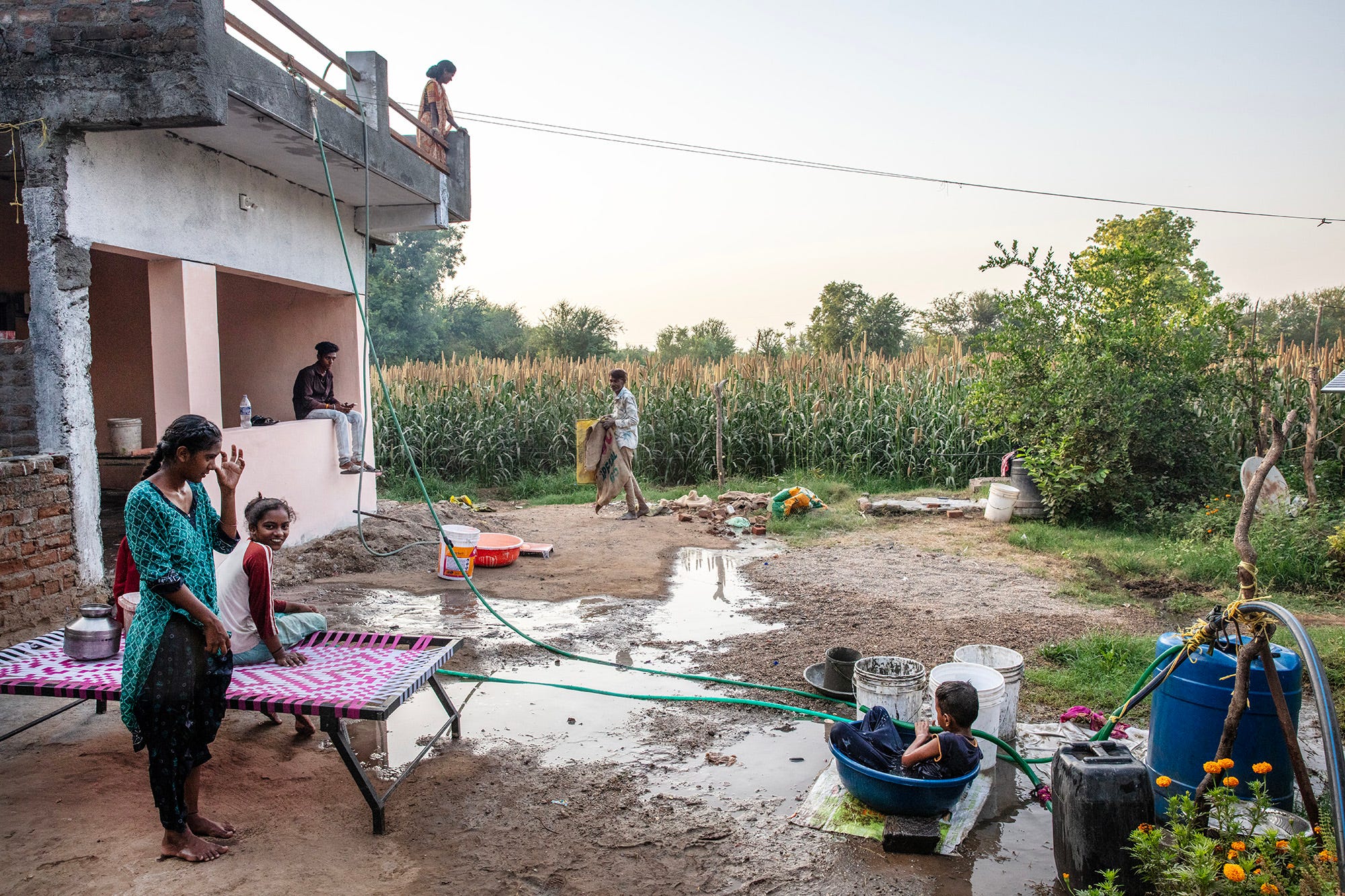
We want to be clear about one thing: this project is not about assigning blame or relegating the politics of climate change. Whatever one believes about its causes, the rising temperatures are real, and the workers bearing the greatest burden are among those least responsible for them. Our focus is on the human cost and the urgent need for solutions, including cooling interventions, labor protections, early-warning systems, healthcare access, that is informed by the most accurate, community-level data available.
The boat operator in Miami was right that the human body can adapt. But he was wrong to think adaptation is unlimited or free. In India’s informal economy, adaptation has a price paid in health, in productivity, in years of life.
Julie and I came to Gujarat to show the world that price one face, one story, one sweltering afternoon at a time. The best journalism, we believe, is the kind that makes people feel what statistics cannot convey. This is ours to tell, and we are not finished telling it.
Wonderful images.
This is such an important story to document, thank you for doing so.